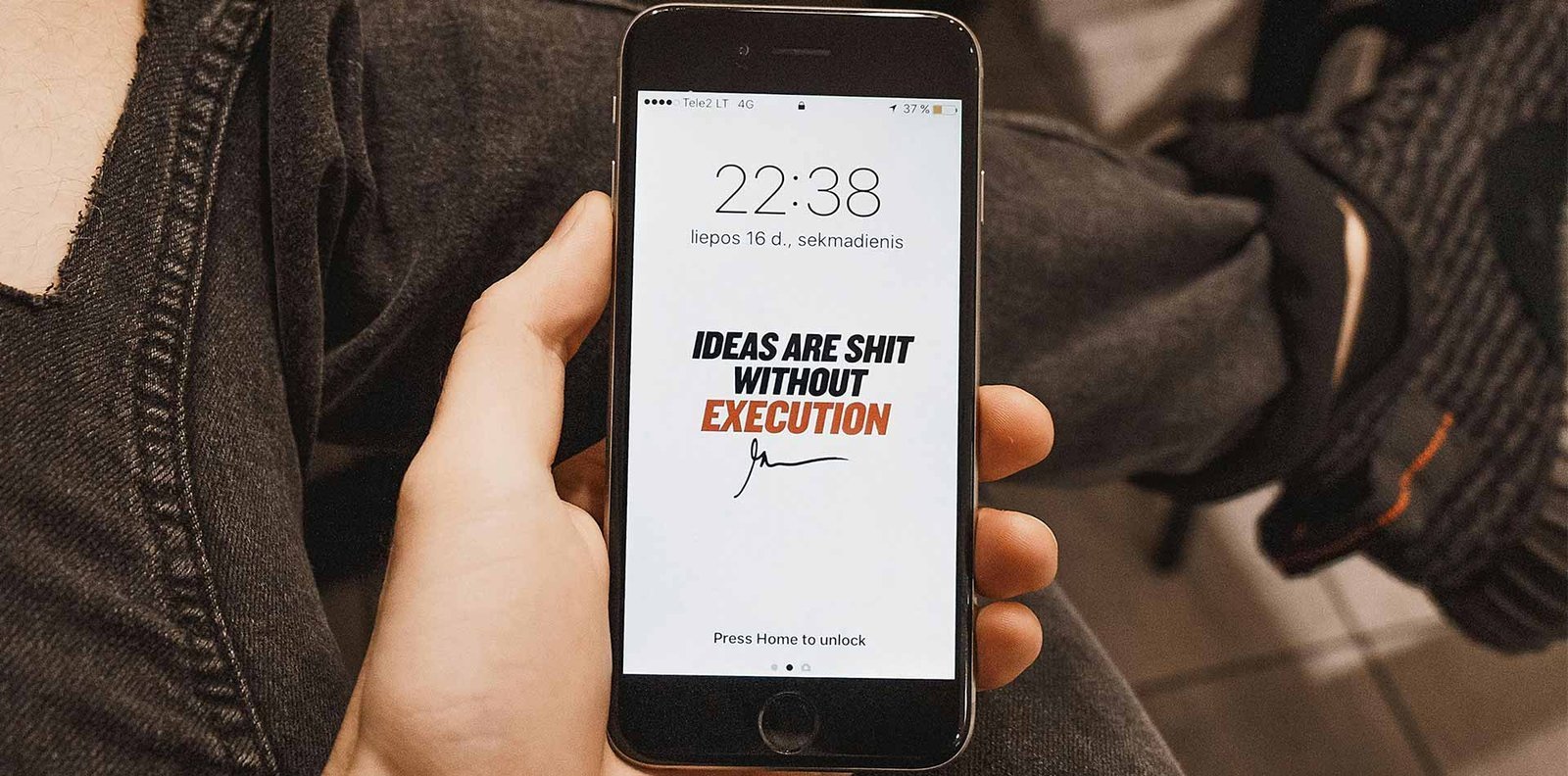

In today’s digital-first world, your brand is often experienced before you ever meet your customer.
People discover you through a website, an Instagram post, a Google search, or a shared link. In a matter of seconds, they decide whether your brand feels trustworthy, relevant, and worth their time.
This is why branding today is no longer just about looking good—it’s about being memorable, consistent, and meaningful across every digital touchpoint.
This guide walks you through how to build a brand that stands out and lasts in a world where attention is short and competition is everywhere.
What Does “Digital-First Branding” Really Mean?
Digital-first branding means designing your brand with digital experiences as the primary stage, not an afterthought.
It means your brand must work seamlessly across:
- Websites
- Mobile screens
- Social media platforms
- Apps
- Digital ads
- Email and content
A digital-first brand is:
- Clear at small sizes
- Consistent across platforms
- Fast to recognize
- Easy to engage with
In short, it’s a brand designed for how people actually interact today.
Step 1: Start With Brand Clarity, Not Design
Before choosing colors or logos, you need answers to fundamental questions:
- Why does your brand exist?
- Who are you serving?
- What problem are you solving?
- What makes you different?
- How do you want people to feel?
This clarity becomes the strategic backbone of your brand.
Without it, design decisions become random. With it, every visual and message has purpose.
Step 2: Define Your Brand Positioning
In the digital world, differentiation is everything.
Brand positioning answers:
- Why should someone choose you over competitors?
- What space do you own in your customer’s mind?
Strong positioning is:
- Specific, not generic
- Relevant to your audience
- Aligned with your strengths
Instead of trying to appeal to everyone, memorable brands choose focus over volume.
Step 3: Build a Strong Visual Identity System
A memorable brand is visually consistent and instantly recognizable.
Your visual identity should include:
- Logo system (primary, secondary, responsive)
- Color palette
- Typography
- Icon style
- Imagery guidelines
- Layout and spacing rules
In a digital-first context, visuals must:
- Work on mobile screens
- Load fast
- Scale across platforms
- Stay legible at small sizes
Consistency builds familiarity, and familiarity builds trust.
Step 4: Craft a Clear and Human Brand Voice
Your brand voice defines how you communicate.
Ask:
- Are you formal or friendly?
- Confident or conversational?
- Bold or calm?
Your tone should remain consistent across:
- Website copy
- Social media captions
- Emails
- Ads
- Customer support
A clear voice makes your brand feel human, not corporate or confusing.
Step 5: Design a Seamless Digital Brand Experience
Branding lives in the experience.
Every digital interaction matters:
- Website navigation
- Page speed
- Visual hierarchy
- CTA clarity
- Content readability
A memorable digital brand is:
- Easy to understand
- Easy to navigate
- Easy to trust
If users feel friction, they don’t stay long enough to remember you.
Step 6: Be Consistent Across All Touchpoints
Inconsistency is the fastest way to weaken a brand.
Your brand should feel the same whether someone:
- Visits your website
- Sees your Instagram post
- Opens your email
- Reads a blog
- Views your proposal
Consistency doesn’t mean repetition—it means recognizable patterns.
This is where brand guidelines become essential, especially as teams grow.
Step 7: Build Emotional Connection, Not Just Awareness
Memorable brands connect emotionally.
People remember how brands make them feel:
- Confident
- Inspired
- Understood
- Excited
- Reassured
Emotion comes from:
- Storytelling
- Purpose-driven messaging
- Relatable visuals
- Authentic communication
When people feel connected, they remember you—and they come back.
Step 8: Adapt Without Losing Identity
Digital platforms evolve constantly.
Strong brands:
- Adapt formats and platforms
- Evolve visuals carefully
- Stay culturally relevant
- Maintain core identity
Your brand should be flexible, not fragile.
Change the expression when needed, but protect the essence.
Common Digital Branding Mistakes to Avoid
Many brands struggle because they:
- Design without strategy
- Copy competitors
- Change visuals frequently
- Ignore mobile experience
- Lack brand guidelines
- Chase trends without purpose
Avoiding these mistakes can save years of rework and confusion.
Branding Is a Long-Term Asset
A memorable brand doesn’t happen overnight.
It’s built through:
- Clear strategy
- Thoughtful design
- Consistent execution
- Continuous refinement
In a digital-first world, your brand is working 24/7—whether you are or not.
How Zauq Approaches Digital-First Branding
At Zauq, we build brands that are:
- Strategically grounded
- Digitally optimized
- Visually distinctive
- Designed to scale
We believe branding should not only look good—but work hard for your business.
Final Thoughts
In a noisy digital landscape, attention is earned through clarity and consistency.
A memorable brand:
- Communicates clearly
- Feels authentic
- Looks consistent
- Connects emotionally
- Grows with your business
Because in the digital-first world, your brand is your first impression—and your lasting one.