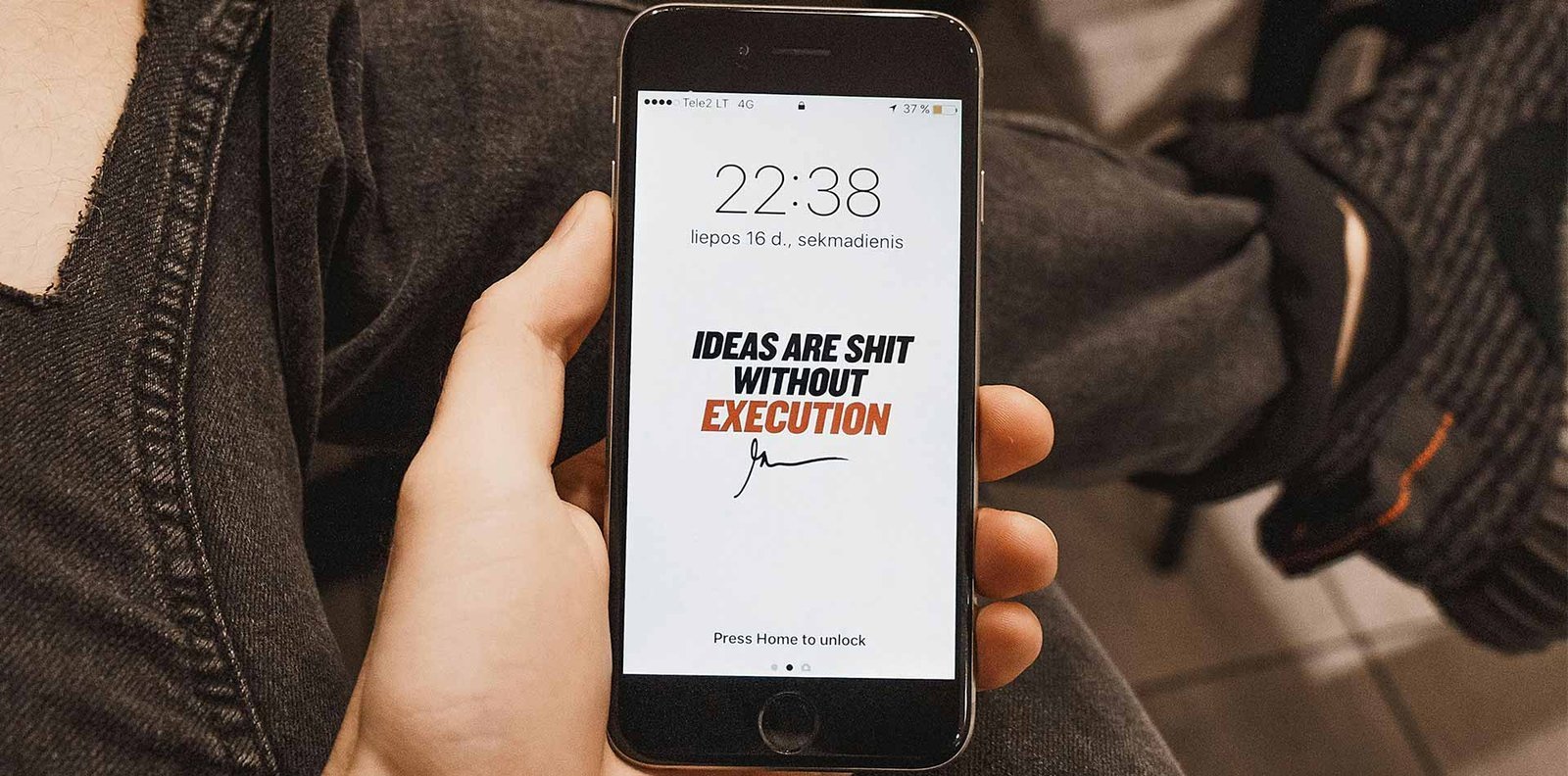

Every successful brand starts with an idea.
But not every idea becomes a brand people recognize, trust, and remember. The difference lies in how that idea is shaped into a clear, consistent, and meaningful identity.
Branding is not a one-step activity. It is a structured process that transforms vision into perception. In today’s competitive and digital-first world, brands that follow a deliberate branding process stand out—while those that skip steps struggle to connect.
This blog breaks down the journey from idea to identity, and the branding process behind modern, successful brands.
Why Branding Is a Process, Not a Design Task
Many businesses treat branding as a design deliverable:
- A logo
- A website
- A few social media templates
But strong brands are built through decisions, not decorations.
Branding is a process that:
- Aligns internal vision with external perception
- Creates consistency across platforms
- Builds long-term trust
- Supports growth and scalability
Without a process, branding becomes reactive and fragmented.
Step 1: Defining the Brand Foundation
Every brand begins with clarity.
Before any visual work starts, successful brands define their foundation:
Core questions to answer:
- Why does this brand exist?
- What problem does it solve?
- Who is it for?
- What does it stand for?
- What makes it different?
This stage includes defining:
- Purpose and vision
- Mission and values
- Target audience
- Brand positioning
- Competitive landscape
The outcome is a clear strategic direction that guides every branding decision.
Step 2: Understanding the Audience Deeply
Modern branding is customer-centric.
Successful brands don’t design for themselves—they design for the people they want to serve.
This means understanding:
- Audience needs and pain points
- Behaviors and expectations
- Emotional drivers
- Digital habits
- Decision-making patterns
When a brand reflects its audience’s mindset, it feels relevant and relatable rather than forced.
Step 3: Shaping the Brand Personality
Brands, like people, have personalities.
Your brand personality determines:
- How you speak
- How you look
- How you behave
- How people feel about you
Personality traits could include:
- Bold and confident
- Calm and trustworthy
- Modern and innovative
- Friendly and approachable
- Premium and refined
Defining personality ensures consistency in tone, visuals, and communication.
Step 4: Translating Strategy Into Visual Identity
This is where ideas begin to take visual form.
Visual identity is not just about creativity—it’s about communication through design.
Key components include:
- Logo system (primary, secondary, responsive)
- Color palette with meaning and purpose
- Typography that reflects personality
- Visual language and imagery style
- Layout and spacing systems
Successful brands design visual identities that are:
- Recognizable
- Scalable
- Digitally adaptable
- Timeless, not trend-driven
Step 5: Crafting Brand Voice and Messaging
What you say matters as much as how you look.
Brand voice defines:
- Tone of communication
- Language style
- Messaging structure
Strong brand messaging:
- Clearly explains what you do
- Communicates value, not just features
- Feels human and authentic
- Stays consistent across platforms
When voice and visuals align, the brand feels unified and intentional.
Step 6: Designing the Digital Brand Experience
In a digital-first world, branding lives online.
The brand experience includes:
- Website design and usability
- Mobile responsiveness
- Visual hierarchy
- Content flow
- Call-to-action clarity
Successful brands design digital experiences that are:
- Intuitive
- Visually cohesive
- User-focused
- Aligned with brand personality
A seamless experience reinforces trust and memorability.
Step 7: Creating Brand Guidelines for Consistency
Consistency turns identity into recognition.
Brand guidelines document:
- Logo usage rules
- Color and typography standards
- Voice and tone guidelines
- Visual examples
- Digital applications
Guidelines ensure that as the brand grows, it stays aligned across:
- Teams
- Platforms
- Campaigns
- Partners
This step is critical for scalability.
Step 8: Launching and Living the Brand
Branding doesn’t end at launch.
Successful brands:
- Introduce the brand thoughtfully
- Align internal teams
- Apply the identity consistently
- Monitor performance
- Evolve strategically
A brand must be lived, not just displayed.
Every interaction reinforces—or weakens—the identity.
Common Mistakes That Break the Branding Process
Many brands struggle because they:
- Skip strategy and jump to design
- Copy competitors
- Change identity too often
- Ignore digital usability
- Lack internal alignment
- Treat branding as a one-time task
A strong process prevents these pitfalls.
Why the Process Matters More Than the Output
Two brands can have similar visuals—but the one with a clear process:
- Communicates better
- Builds stronger trust
- Scales faster
- Feels more authentic
The real power of branding lies in intentionality.
The Zauq Branding Process
At Zauq, we approach branding as a structured journey.
Our process focuses on:
- Strategic clarity
- Audience understanding
- Thoughtful design
- Digital-first execution
- Long-term consistency
We believe great brands are not created by shortcuts—but by clarity, craft, and consistency.
Final Thoughts
Turning an idea into a recognizable brand requires more than creativity.
It requires:
- Clear thinking
- Strategic decisions
- Consistent execution
- A focus on people, not just visuals
When done right, branding becomes a powerful business asset—one that grows with you.
Because the strongest brands are not just seen—they are understood and remembered.