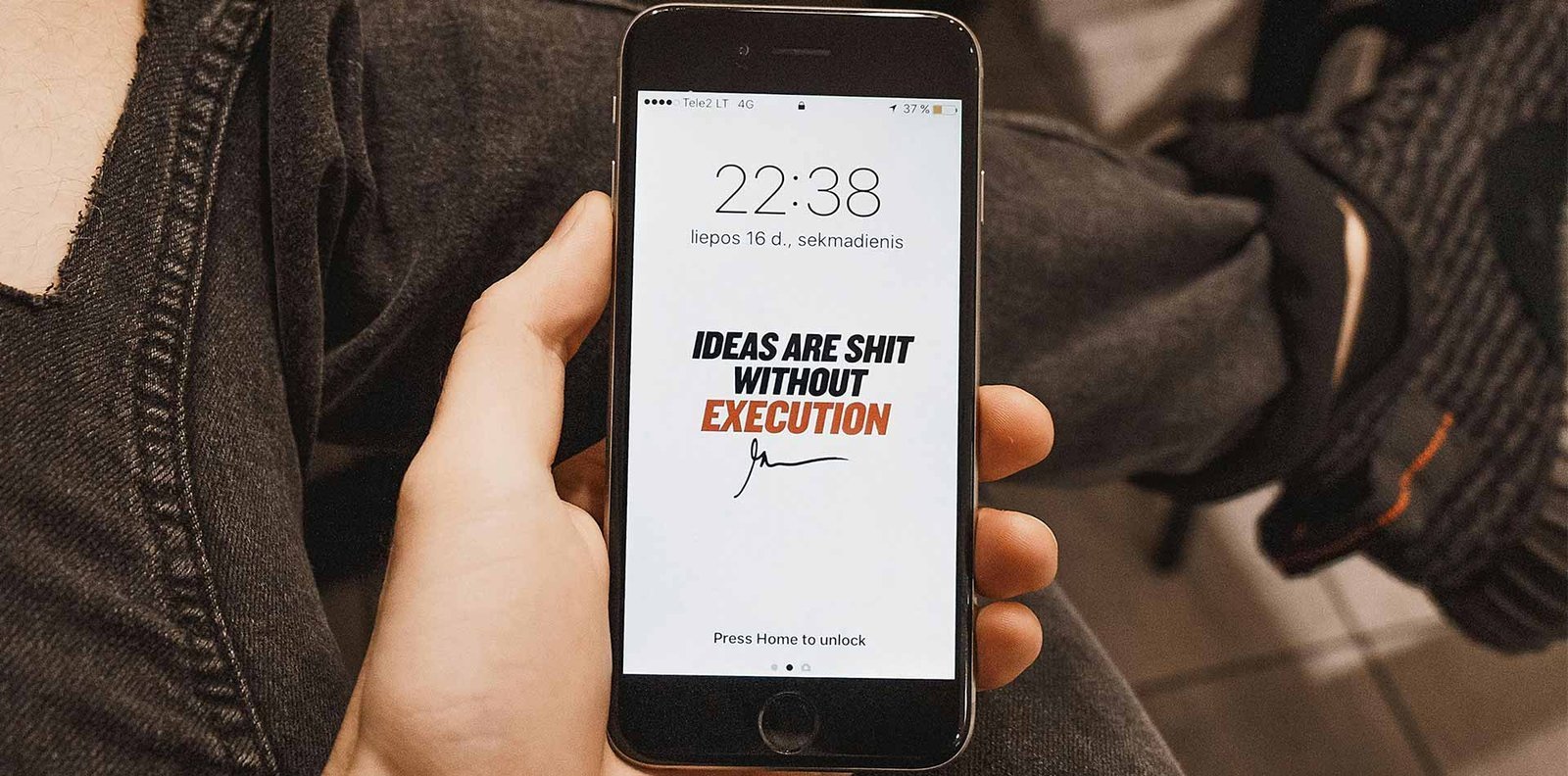

In a digital world overflowing with content, consistency is what makes a brand recognizable.
People don’t remember brands because they see them once. They remember them because they see the same visual language, tone, and experience repeated over time—until familiarity turns into trust.
Yet many businesses underestimate the power of consistent design. They treat it as a design preference rather than a strategic advantage. In reality, consistency is one of the strongest tools a brand can use to stand out, scale, and grow.
What Is Design Consistency in Branding?
Design consistency means maintaining a cohesive visual and experiential language across all brand touchpoints.
This includes:
- Logo usage
- Color palette
- Typography
- Layout and spacing
- Imagery style
- UI elements
- Motion and interaction patterns
Consistency does not mean being boring or repetitive. It means being recognizable and reliable, no matter where or how someone encounters your brand.
Why Consistency Matters More in the Digital-First World
Digital platforms multiply brand exposure.
Your brand appears across:
- Websites
- Mobile screens
- Social media feeds
- Ads
- Emails
- Presentations
- Apps
Each touchpoint is a moment of reinforcement—or confusion.
When design is consistent, recognition builds effortlessly. When it isn’t, trust erodes quietly.
Consistency Builds Instant Recognition
Strong brands are recognized instantly—even without reading their name.
This happens because:
- Colors become associated with the brand
- Typography signals personality
- Layout patterns feel familiar
- Visual rhythm becomes identifiable
Over time, recognition reduces mental effort for the user. And brands that are easy to recognize are easier to trust.
Consistency Creates Trust and Credibility
Humans associate consistency with reliability.
When a brand looks and feels consistent:
- It appears more professional
- It feels more established
- It signals attention to detail
Inconsistent design, on the other hand, raises doubts:
- Is this brand reliable?
- Is it well-managed?
- Can I trust this experience?
In digital environments, perception is reality.
Consistent Design Improves User Experience
Consistency is not only visual—it’s functional.
Design consistency improves:
- Navigation clarity
- Content readability
- Interface familiarity
- Interaction predictability
When users know what to expect, they move faster and feel more confident. A smooth experience keeps them engaged longer and reduces friction.
Consistency Strengthens Brand Memory
Repetition reinforces memory.
When people encounter the same design elements repeatedly, the brand becomes easier to recall—even weeks or months later.
This is why consistent brands:
- Stay top of mind
- Feel familiar quickly
- Win attention faster over time
Memory drives preference, and preference drives choice.
Consistency Makes Marketing More Effective
Strong branding amplifies marketing performance.
With consistent design:
- Ads are recognized faster
- Content performs better
- Campaigns feel connected
- Brand recall improves
Without consistency, every campaign starts from zero.
Consistency compounds impact.
Consistency Enables Scalable Growth
As businesses grow, branding complexity increases.
Consistency allows:
- Faster content creation
- Easier onboarding of teams
- Clear collaboration with partners
- Smooth expansion into new platforms
A strong design system acts as infrastructure, supporting growth without losing identity.
Why Many Brands Struggle With Consistency
Despite its importance, consistency is often overlooked due to:
- Lack of brand guidelines
- Multiple teams working in silos
- Frequent redesigns
- Trend-driven decisions
- Absence of a design system
These issues are common—but avoidable.
The Role of Brand Guidelines and Design Systems
Consistency requires structure.
Brand guidelines define:
- Logo usage rules
- Color and typography standards
- Visual do’s and don’ts
- Tone of voice
- Digital applications
Design systems go a step further by creating reusable components that ensure consistency at scale—especially for digital products.
Consistency Does Not Mean No Evolution
Strong brands evolve carefully.
They:
- Refresh without losing recognition
- Adapt platforms without changing identity
- Improve usability while protecting core elements
The key is evolution with intention, not constant reinvention.
Real Impact of Consistent Design
Brands with consistent design experience:
- Higher trust levels
- Stronger recall
- Better conversion rates
- Increased customer loyalty
- Clear differentiation in crowded markets
Consistency becomes a silent advantage—working continuously in the background.
How Zauq Builds Consistent Digital Brands
At Zauq, consistency is built by design, not by chance.
Our approach includes:
- Strategy-led visual systems
- Digital-first design thinking
- Scalable brand guidelines
- Cohesive design systems
- Long-term brand alignment
We believe consistency is not restrictive—it’s empowering.
Final Thoughts
In a world where attention is fleeting, consistency is what anchors a brand in people’s minds.
Strong brands don’t try to look new every time.
They aim to be recognizable every time.
Because consistency builds recognition.
Recognition builds trust.
And trust builds growth.